
Wanjiku Gichohi

Joshua Aboah

Siwema Luvanga
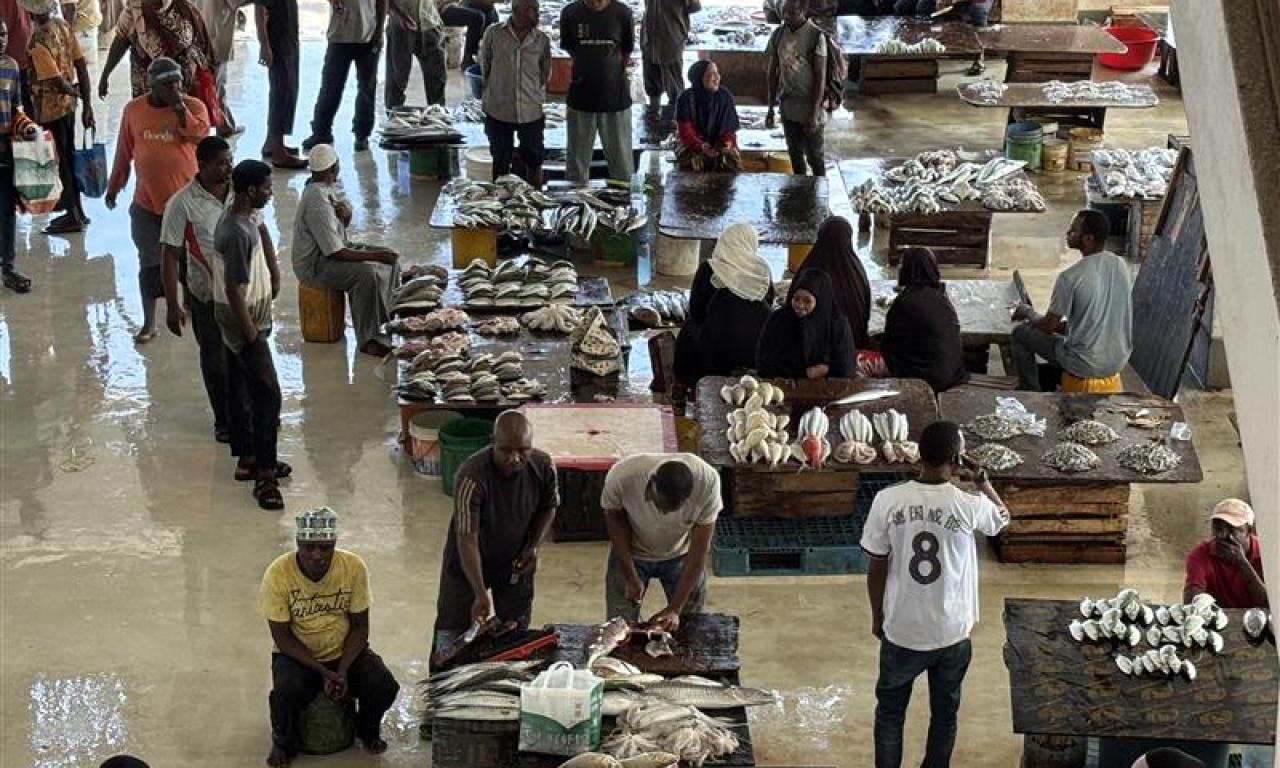
Anchovy, locally known as dagaa, sits at the heart of Zanzibar’s fisheries, diets and livelihoods. These small fish are rich in essential micronutrients and widely consumed across the archipelago, making them a vital source of affordable nutrition, particularly for low-income households. At the same time, dagaa is increasingly important for trade, supplying regional markets beyond Zanzibar and contributing to regional food systems and economic growth. This dual role raises a critical question: can efforts to improve fish processing and expand markets boost incomes without reducing equitable access to this nutritious food for the communities who depend on it most?
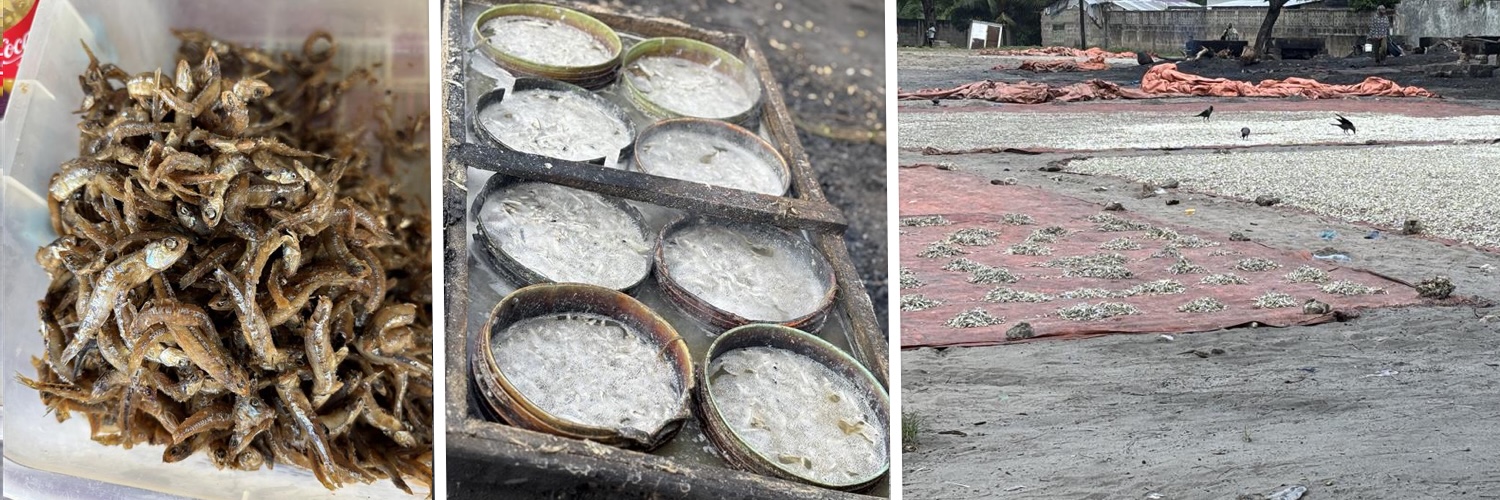
Today, the dagaa value chain faces major post-harvest losses in both quantity and nutritional quality. Losses occur at multiple stages from landing and handling to processing and marketing—and are intensified by strong seasonal fluctuations in catch volumes. In some periods, more than half of the catch can be lost. These losses disproportionately affect small-scale actors, especially women processors and traders, whose livelihoods depend on preserving and selling fish under challenging conditions. To cope, processors rely largely on traditional methods such as blanching followed by sun-drying and frying. While these practices extend shelf life, their effectiveness varies, and their implications for nutrition, markets and local consumption remain poorly understood.
Market demand strongly influences how dagaa is processed. Processors adapt their methods to meet the needs of different buyers, creating a feedback loop in which consumer preferences and price incentives shape processing practices. Yet most existing technologies focus on reducing physical losses, with far less attention to nutrient retention or equitable access. Limited drying infrastructure especially during the rainy season means fish are often dried directly on the ground without protective covering, increasing the risk of contamination, pest damage and nutrient loss. These constraints limit the ability of small-scale processors to access higher-value markets and benefit from improved technologies.
Post-Harvest Losses in the Dagaa Value Chain
In 2025, under the Better Diets and Nutrition Science Program, WorldFish and Michigan State University collected baseline data to inform the introduction of improved post-harvest technologies. The goal is to develop a decision-support tool to guide the selection of technologies that reduce losses while maximizing nutrient retention and remaining affordable, accessible and appropriate for local contexts.
Early findings highlight the scale and complexity of the trade-offs. Approximately 56.5% of processed dagaa is exported, 38.6% remains in domestic markets, and 4.9% is used for animal feed. Exports primarily supply markets in the Democratic Republic of Congo via Zambia, underscoring the importance of dagaa for both livelihoods and regional nutrition.
However, improved processing could intensify a key nutrition and equity dilemma. Higher-quality, longer-lasting products may increase export demand and price incentives, potentially shifting supply away from domestic markets. This could reduce the availability and affordability of nutrient-dense dagaa for local consumers, especially low-income households, women and children, who rely on small fish as a critical source of micronutrients. Understanding how seasonality and climate variability interact with these trade-offs is therefore essential.
Evidence on Processing, Trade and Markets
In 2026, we will collect follow-up data to better understand how improved processing, trade dynamics and fishing seasons shape the availability and affordability of aquatic foods locally and regionally. By examining how technologies interact with markets and nutrition outcomes, this work aims to show how better fish processing can deliver both economic benefits and improved public health nutrition while ensuring that the communities who depend on dagaa are not left behind.
Market dynamics largely determine the processing technologies used, as processors adapt methods to meet the demands of different markets. These choices create a feedback loop in which economic incentives and consumer preferences shape processing practices, with direct consequences for nutrient retention or loss along the value chain and consequently in the food system. However, most technologies currently prioritize minimizing physical losses, with limited attention to quality losses particularly the preservation of nutrients. In addition, drying technologies available on the ground are limited, especially during the rainy season. Drying fish directly on the ground and without protective covering increases the risk of contamination and pest damage, including losses from birds, further compromising product quality.
Implications for Nutrition and Access
Against this backdrop, while improved post-harvest technologies have the potential to reduce physical losses and enhance product quality, they may also intensify nutrition trade-offs. Higher-quality and longer shelf-life products could increase export demand and price incentives, potentially shifting supplies away from domestic markets. Such dynamics risk reducing the availability and affordability of nutrient-dense dagaa for local consumers especially low-income households for whom small fish are a critical source of micronutrients. Understanding these trade-offs is essential to ensure that post-harvest interventions support not only economic returns but also local dietary quality and nutrition security. How seasonality and climate change also influence these trade-offs is also important to consider.
In 2026, we will collect follow-up data to better understand how improved fish processing, trade dynamics, and fishing seasons influence the availability and affordability of aquatic foods at local and regional levels. By exploring how processing technologies interact with market demand, trade and nutrition outcomes, this work aims to build a more complete picture of the dagaa value chain. Ultimately, the research will show how better processing can deliver both economic benefits and improved public health nutrition locally and/or regionally; an important but often overlooked link in current policy and public discussions.
Cover photo: A fish market in Zanzibar. Photo: Wanjiku Gichohi/WorldFish.