
David Wardell
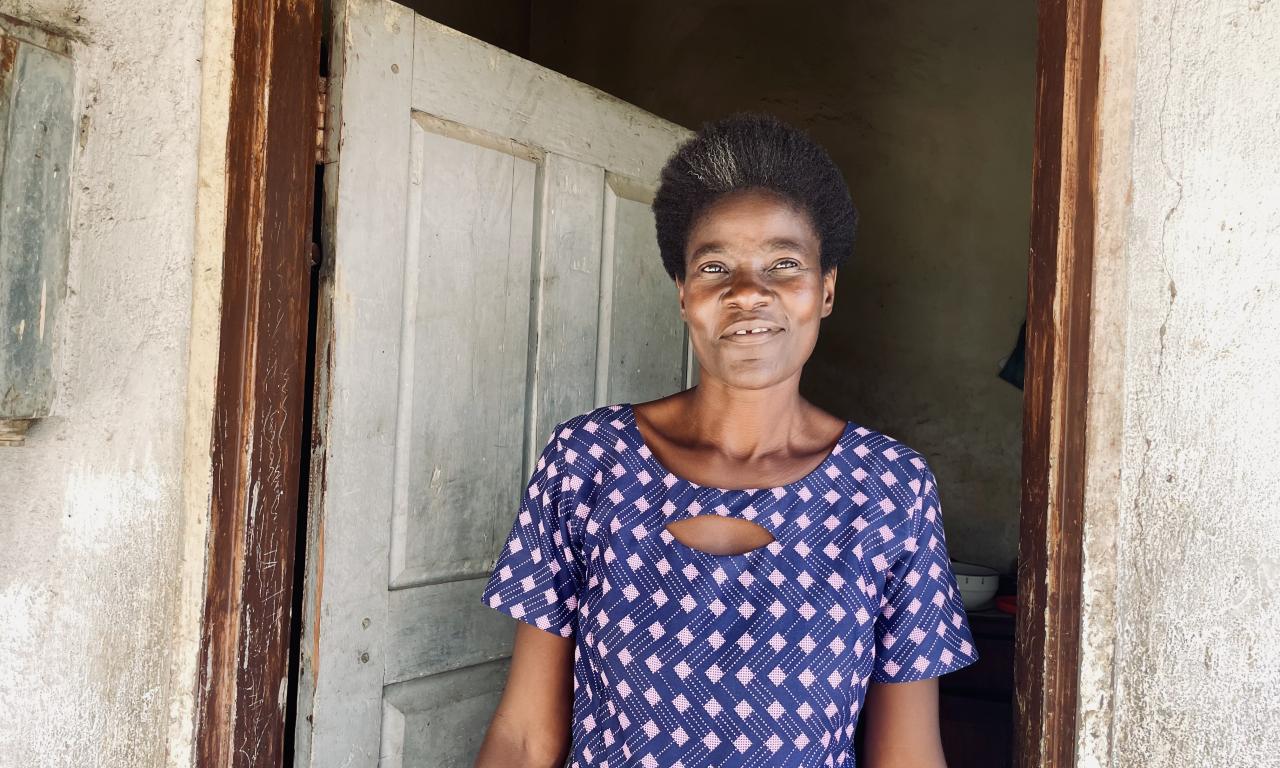
In Zambia, fish farmer Petronella Mumpangwe has seen how quickly things can change.
“When it is hot, the ponds dry up,” she says. “When there is no water, the fish die.”
Across Zambia and Malawi, climate change is making aquaculture more unpredictable. Rising temperatures, prolonged dry spells and floods are disrupting production cycles that farmers once relied on. For many, a single shock can wipe out months of work and investment.
Farmers are adapting, but they are often making decisions with limited information.
General weather forecasts exist, but they do not always translate into clear actions at pond level. Knowing rain is coming is one thing. Knowing whether to stock fish, reduce feeding or harvest early is another.
As Mbamwai Mbewe, Deputy Director in Zambia’s Department of Fisheries, explains in the film,
“Information is power.”
But in a changing climate, information needs to be timely and practical to make a difference.
WorldFish and partners are testing a way to get climate information directly into farmers’ hands.
Blue Resilience is a digital climate advisory platform that translates weather data into text messages. These provide farmers with clear guidance on how to respond to changing conditions, helping them manage risks such as heat stress, water shortages and extreme rainfall.
The platform has been developed and tested with farmers and local partners, showing how climate information can be translated into practical advice.
“When the messages come, we can be more prepared,” says Petronella.
Watch the video to see what Blue Resilience could mean for fish farmers in Zambia and Malawi.
Blue Resilience builds on work supported by the Accelerating Impacts of CGIAR Climate Research for Africa (AICCRA), which helped develop and validate climate advisory models and messages with farmers and partners.
Further development has been supported by the African Development Bank through the PROFISHBLUE project, executed through the SADC, which has contributed to refining the platform and advancing its uptake in Zambia and Malawi.
Cover photo: Petronella Mumpangwe, fish farmer, at her home in Zambia. Photo: David Wardell/WorldFish.