
Mary Lundeba

Gregory Kasanga
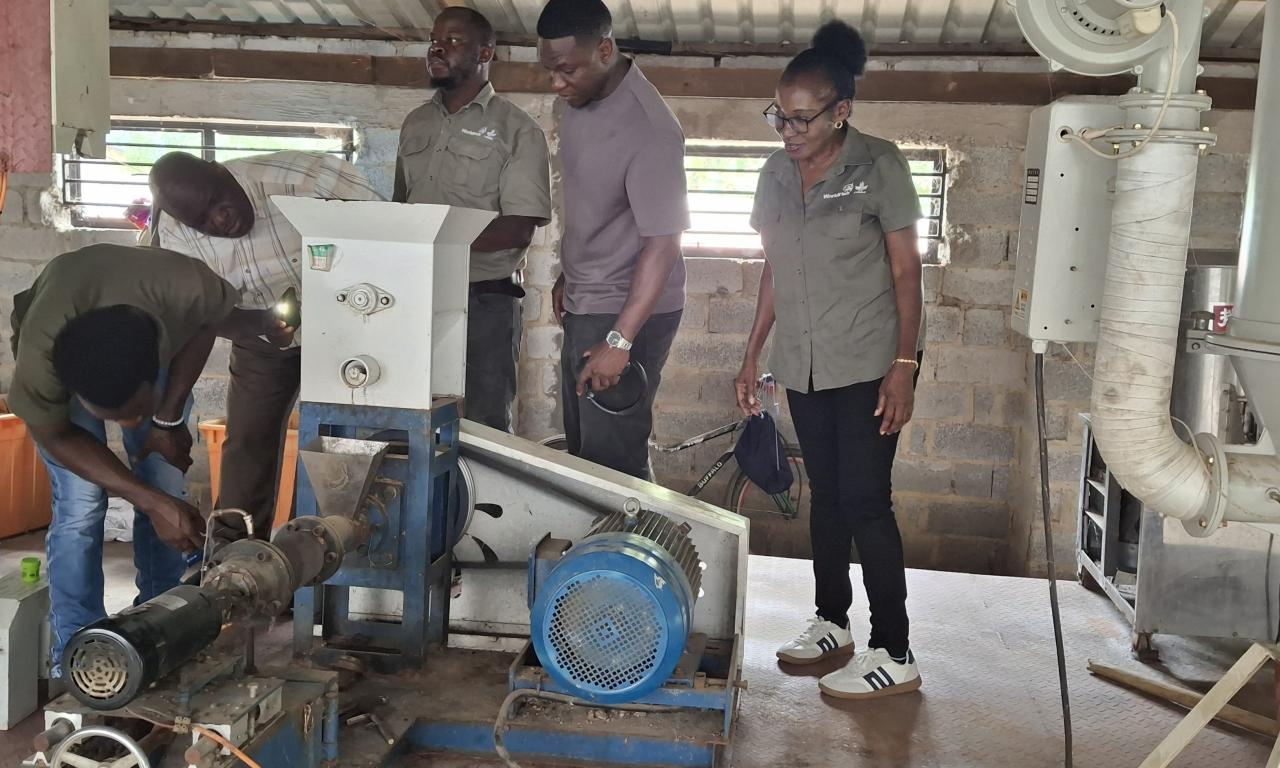
Across Sub-Saharan Africa, feed is the single largest cost in fish production, often accounting for up to 70 percent of operating expenses. The development and scaling of sustainable feeds for resilient aquatic food systems in Sub-Saharan Africa (FASA) initiative is working to address this bottleneck. The program focuses on validating locally available protein sources, developing cost-efficient feed formulations and reducing reliance on imported ingredients while promoting environmentally sustainable and climate-resilient feed solutions.
But innovation alone does not transform food systems. The missing link is scaling, and this is where SME feed millers become critical actors. SME feed millers serve as the critical bridge between research and rural aquaculture producers. By equipping SME millers with validated FASA feed formulations, quality control protocols, and business development support, research outputs can be translated into commercially viable products accessible to small-scale farmers. This linkage transforms feed research from an academic exercise into a practical driver of sector growth.
A key step toward improving feed access is to engage directly with SME fish feed millers to understand their production capacity, feed formulations, quality standards, distribution channels, the challenges they face, and opportunities for collaboration with farmers and other partners.
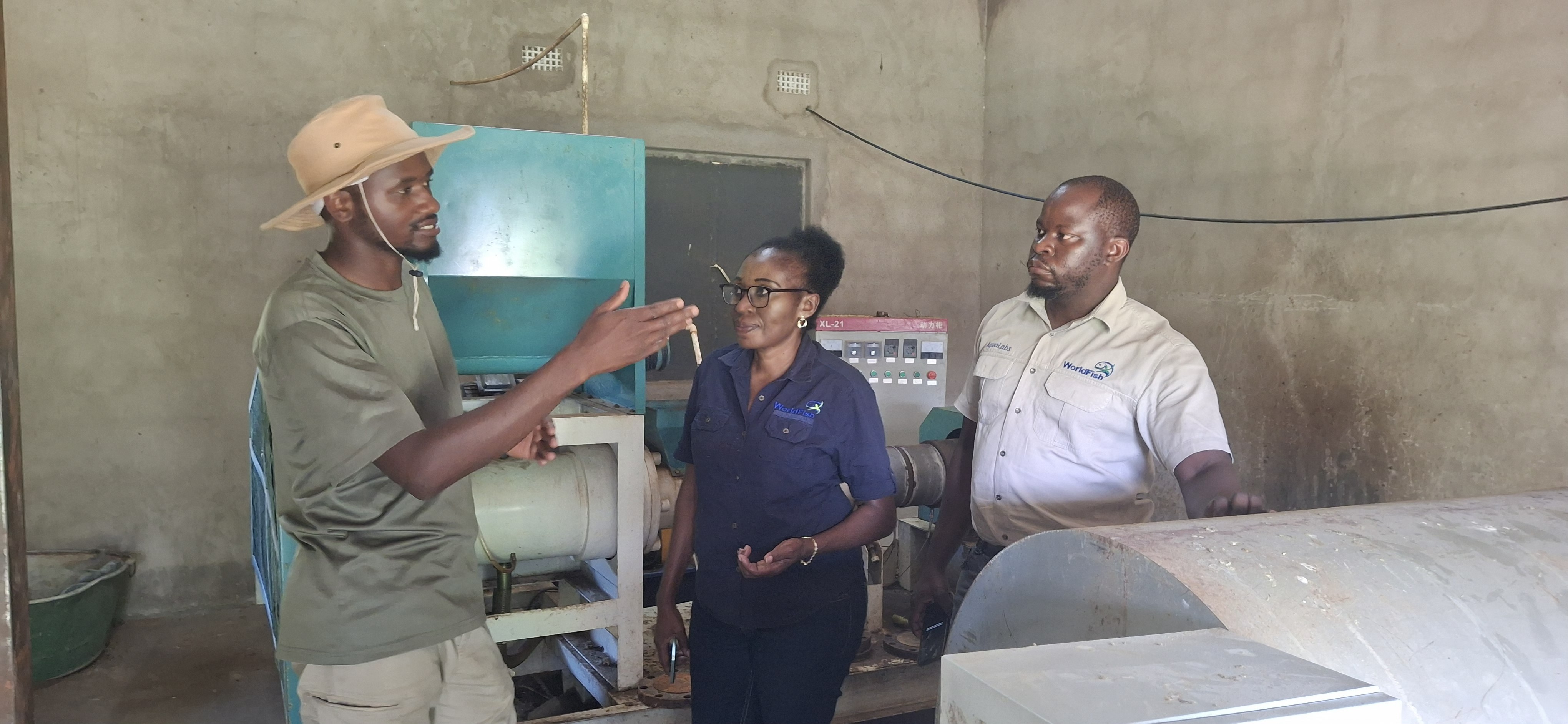
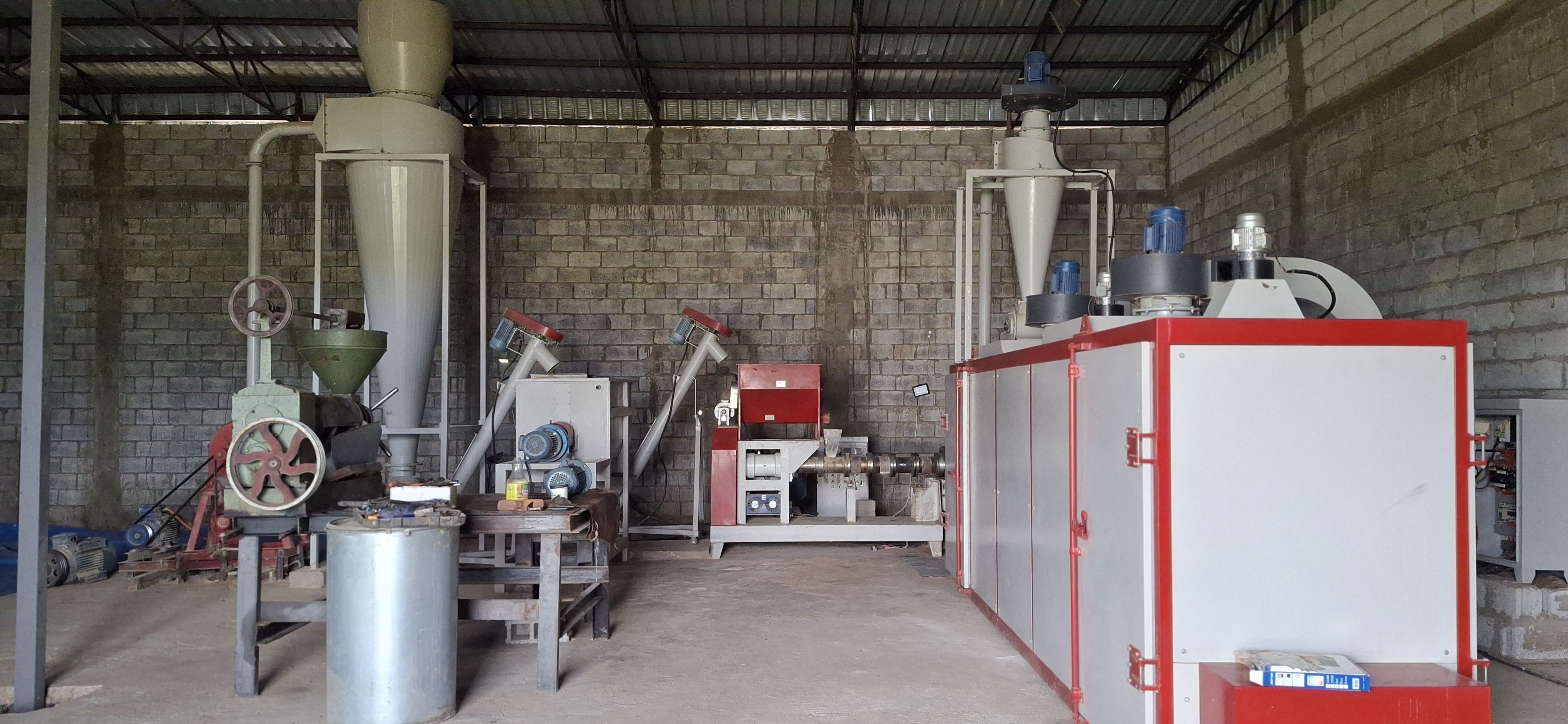
In Zambia and across the region, SME millers operate closer to farming communities, source and innovate with locally available ingredients, produce feed in smaller, affordable quantities, supply local markets and cooperatives and offer technical advisory services alongside feed sales.
The Feed Access Challenge for Smallholder Farmers
For many small-scale farmers, accessing fish feed remains a major hurdle. Common challenges include:
- High cost of commercial feed: Large-scale feed products are often priced beyond the reach of smallholder farmers, especially those operating with limited capital.
- Limited availability in rural areas: Feed is usually concentrated in urban centers, requiring farmers in remote areas to travel long distances.
- Poor distribution networks: Supply chains for aquaculture inputs are still developing, leading to inconsistent feed supply.
- Lack of information: Many farmers are unaware of alternative suppliers, feeding practices, or feed quality considerations.
- Small quantity needs: Most big companies sell feed in bulk, while smallholder farmers may need smaller, affordable packages.
As a result, farmers rely on homemade feed or low-quality substitutes, reducing fish growth rates, increasing production cycles and polluting the environment.
Why SME Feed Millers Matter
When small-scale farmers gain reliable access to quality feed through SME millers, several systemic shifts occur. Balanced feed formulations improve growth rates and shorten production cycles. Locally sourced ingredients can reduce production costs and exposure to volatile global markets. Reliable feed supply allows farmers to plan production more effectively and produce fish of consistent size and quality, improving access to markets.
These changes can have wider impacts, strengthening household incomes, supporting rural employment and improving food and nutrition security.
Building resilient local feed supply chains is therefore central to transforming aquatic food systems in Sub-Saharan Africa. By anchoring feed production within local economies, SME millers reduce reliance on imports while stimulating local agro-processing and entrepreneurship.
How SME Millers can Better Support Smallholder Farmers
Unlike large multinational companies, SME feed millers are often embedded within local communities. This allows them to respond more directly to farmers’ needs.
Many SMEs can produce feed tailored to local needs, including smaller bag sizes, custom formulations and seasonal supply adjustments. Further, SMEs are affordable in that they can reduce transport and overhead costs, offering feed at more competitive prices..
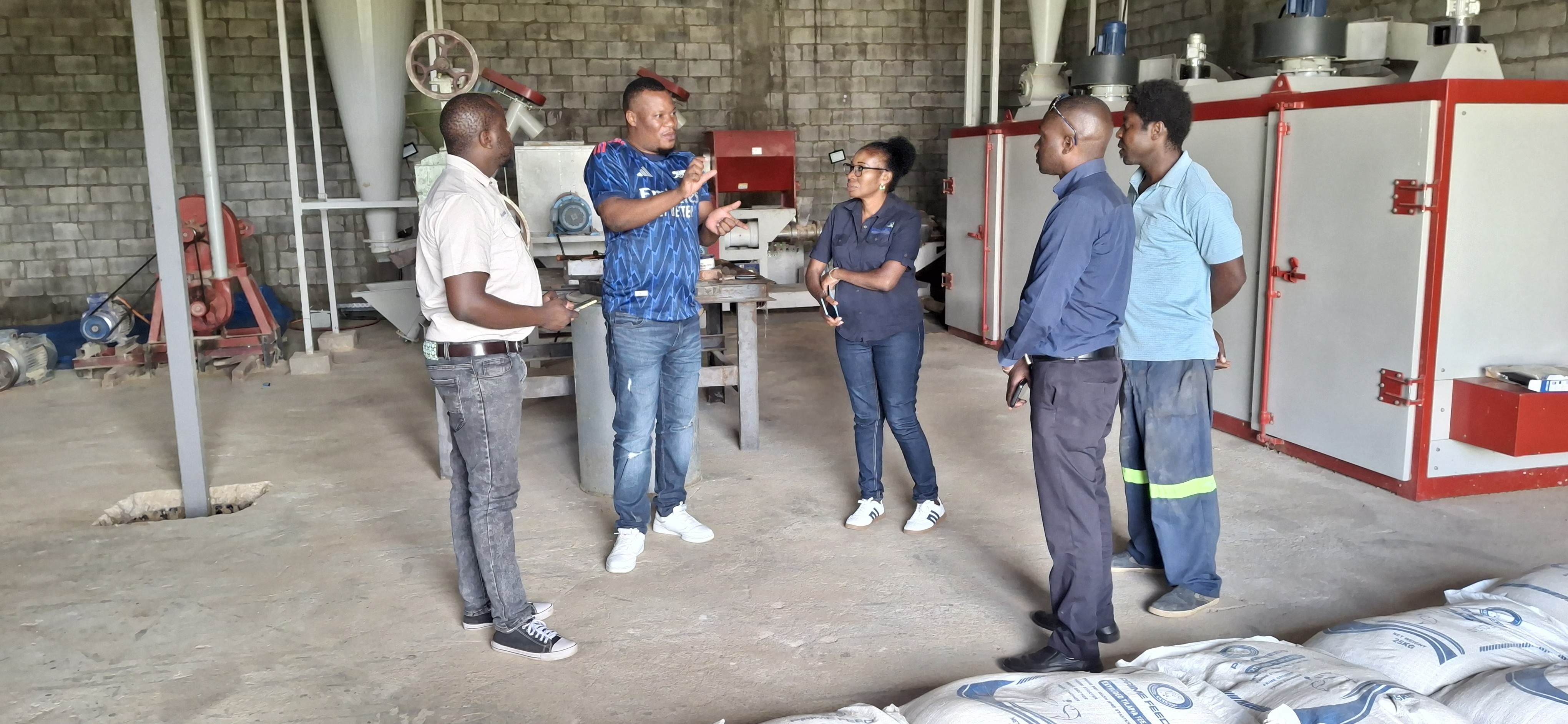
SME millers often work closely with farmer groups, cooperatives, and extension services as demonstrated by Prime Feed millers. SMEs are innovation drivers; they can experiment with alternative ingredients such as soybean meal and cake, maize bran, rice bran, fishmeal substitutes and insect-based protein.
By strengthening SME millers, governments, development partners and research institutions, including WorldFish and academia can help build a more inclusive aquaculture sector.
During a recent visit to Prime Feed, the company’s Director emphasized the importance of strengthening feed systems to support sector growth:
“Sustainable aquaculture growth requires consistent access to nutritionally balanced and affordable feed. Prime Feed is ready to collaborate with research and development partners to strengthen the feed value chain and improve last-mile access for smallholder farmers.”
He further underscored the company’s commitment to inclusive development:
“Smallholder farmers are at the heart of aquaculture development. Prime Feed is committed to strategic partnerships that strengthen feed systems, enhance affordability, and ensure reliable access to quality inputs for farming communities.”
Strengthening the Aquaculture Value Chain
SME millers are not just suppliers; they are key actors in the aquaculture value chain. Their contribution supports input supply systems, ensuring farmers have timely access to feed. They support value chain growth by making feed more available, leading to increased fish production, thereby boosting markets and trade.
Additionally, feed milling creates jobs in manufacturing, transport, retail and quality assurance and stimulates local and rural economies and reduces dependence on imported feed. Further, improved fish production and productivity by use of quality fish feeds provided by SMEs increases access to affordable animal protein thereby enhancing food and nutrition security.
Recommendations to Improve Smallholder Access to SME Fish Feed
To strengthen linkages between SME millers and farmers, the following actions are recommended:
- Promote farmer-miller partnerships through cooperatives and contract supply models
- Support SMEs with financing and equipment to improve production capacity
- Improve feed quality regulation and certification
- Strengthen rural distribution networks through agro-dealers or other intermediaries
- Encourage training programs for farmers on proper feeding practices
- Increase awareness of local SME feed suppliers through extension services
- Develop smaller, affordable packaging options for smallholder farmers
Strengthening SME feed millers under FASA contributes to inclusive growth by enabling smaller, flexible purchase volumes, reducing travel distances for feed procurement, supporting decentralized distribution models and creating entrepreneurship opportunities in feed production and retail. This enhances participation of marginalized groups across the aquaculture value chain.
Supporting SME feed millers is not only an investment in feed production. It is an investment in smallholder livelihoods, food security and the long-term development of aquaculture.
Across Zambia and Sub-Saharan Africa, strengthening linkages between farmers and SME feed millers will be essential for building more productive, inclusive and resilient aquatic food systems.
As smallholder aquaculture continues to expand in the region, strengthening linkages between farmers and SME feed millers will be essential for building productive, inclusive and resilient aquaculture systems.
Cover photo: A visit to Kriskon Farms SME feed mill in Lusaka Province, Zambia. Photo: WorldFish.