
Vichet Sean

Kosal Mam
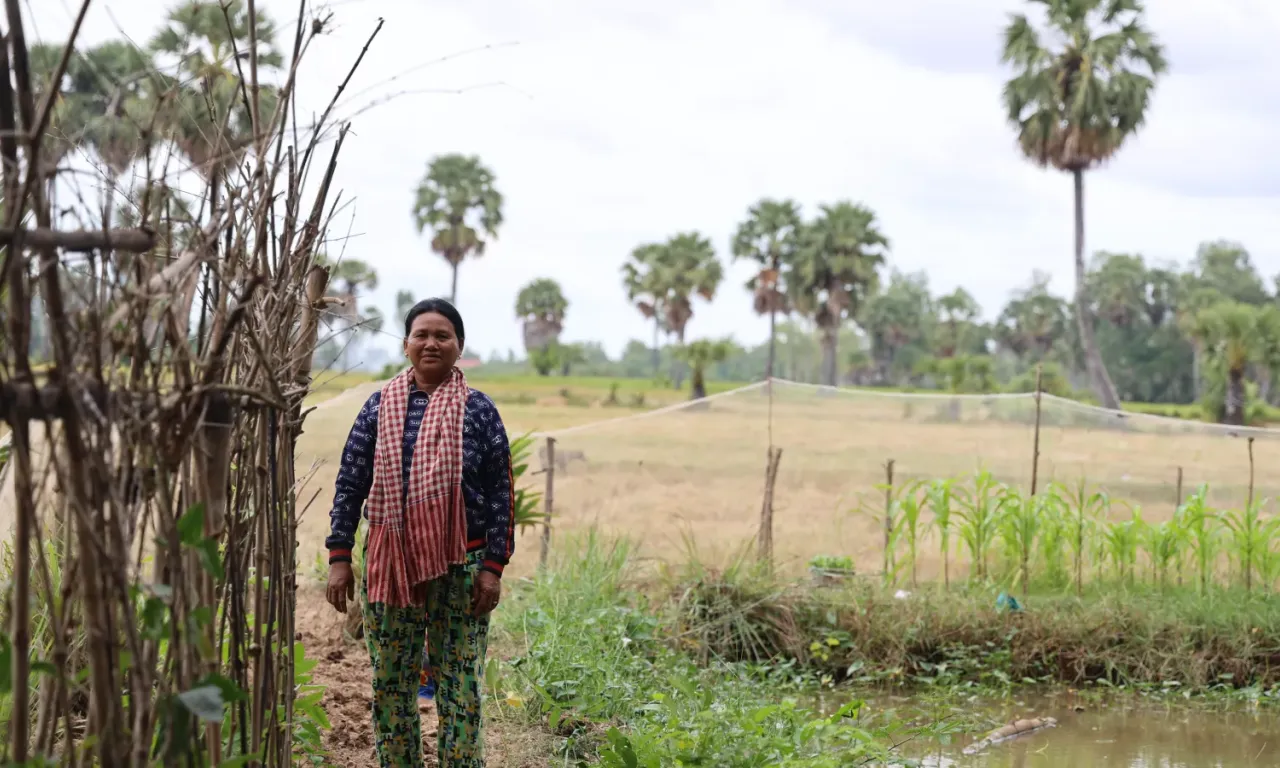
In Cambodia, where rice is life, climate change is shaking the foundation. Intensifying droughts, falling prices, and unpredictable rainfall means the monoculture model is breaking down.
Integrated rice-field pond systems (RFP) appear to be a solution, as successfully piloted under the CGIAR–Asian Mega Delta initiative. This climate-smart approach is turning vulnerable farms into resilient, biodiverse hubs, securing land, water, and the future of smallholder livelihoods.
What Is an Integrated Rice-Field Pond (RFP)?
An integrated Rice-Field Pond (RFP) is a small multifunctional, climate-smart reservoir designed and positioned strategically within or adjacent to a rice paddy plot. This simple modification transforms a monoculture rice plot into a highly productive, resilient micro-ecosystem for improving rice-field ecosystem. The pond serves as a key component of the entire system, providing crucial and complementary functions:
- Water security and irrigation: The pond serves as an on-farm reservoir, capturing rainwater and runoff during the wet season and storing it for supplementary irrigation, helping rice crops survive dry spells.
- Aquatic Food Production and Biodiversity: The ponds act as a permanent aquatic habitat for fish and other beneficial aquatic life. They are a refuge for broodfish, enabling natural restocking of the flooded rice fields year-round. This increases the availability of resilient aquatic food sources and supports the overall rice-field ecosystem.
- Diversification of food and income: RFPs form the foundation for integrated farming. The stored water and available nutrients support the cultivation of vegetables on the dikes and surrounding land and provide water for small-scale livestock. This helps families to significantly diversify their food sources and income streams beyond rice alone.
- Climate Resilience: By intrinsically linking rice cultivation with fish, vegetables, and livestock, RFPs create a multifunctional, climate-resilient landscape capable of buffering the impacts of climate change, specifically withstanding droughts, erratic rainfall fluctuations.
The RFP system moves away from intensive rice monoculture toward a holistic, resilient livelihood strategy.