
WorldFish
Timor-Leste is eating more fish than ever before. The country’s first national survey on fish consumption shows people now eat an average of 8.7 kilograms per person per year, up from an estimated 6.1 kilograms* in 2011. The findings show strong progress toward the government’s goal of 10 kilograms per capita, per year, and are already informing budget planning and fisheries policy.
The 2024–25 Timor-Leste Fish Consumption Survey, led by the Government of Timor-Leste with support from WorldFish and the Food and Agriculture Organization of the United Nations (FAO), provides the country’s first nationally representative picture of aquatic food consumption.
Covering more than 4,200 households across all municipalities, the survey captures how access to and use of fish vary across geographies, seasons, and income levels.
The results show that fish consumption has risen sharply in both inland and urban households, reflecting improved supply and distribution, as well as changing diets. However, access remains uneven. Many rural and poorer households still face barriers such as high prices and limited availability during the wet season.
Nearly half of Timor-Leste’s children under five experience stunting, and limited dietary diversity remains a national challenge. The survey confirms that fish is a vital entry point for better nutrition, particularly for pregnant women and children, as shown by recent research on the nutritional quality of aquatic foods in Timor-Leste. It also highlights the growing role of aquaculture and school meal programs in improving access to nutritious foods in rural and inland communities.
Gianna Bonis-Profumo, WorldFish Scientist said,
“The survey gives government valuable data to plan evidence-based fisheries and aquaculture investments that strengthen food security, improve diets, and support livelihoods in both coastal and inland areas.”
H.E. Marcos da Cruz, Minister of Agriculture, Livestock, Fisheries and Forestry said,
“This survey was requested by my Ministry to provide an important baseline for tracking sector development. I am pleased to see that it has come together as a strong collaboration between Government and development partners and shows steady progress towards our fish consumption targets. However, there remains much to do to build both fisheries and aquaculture sectors.”
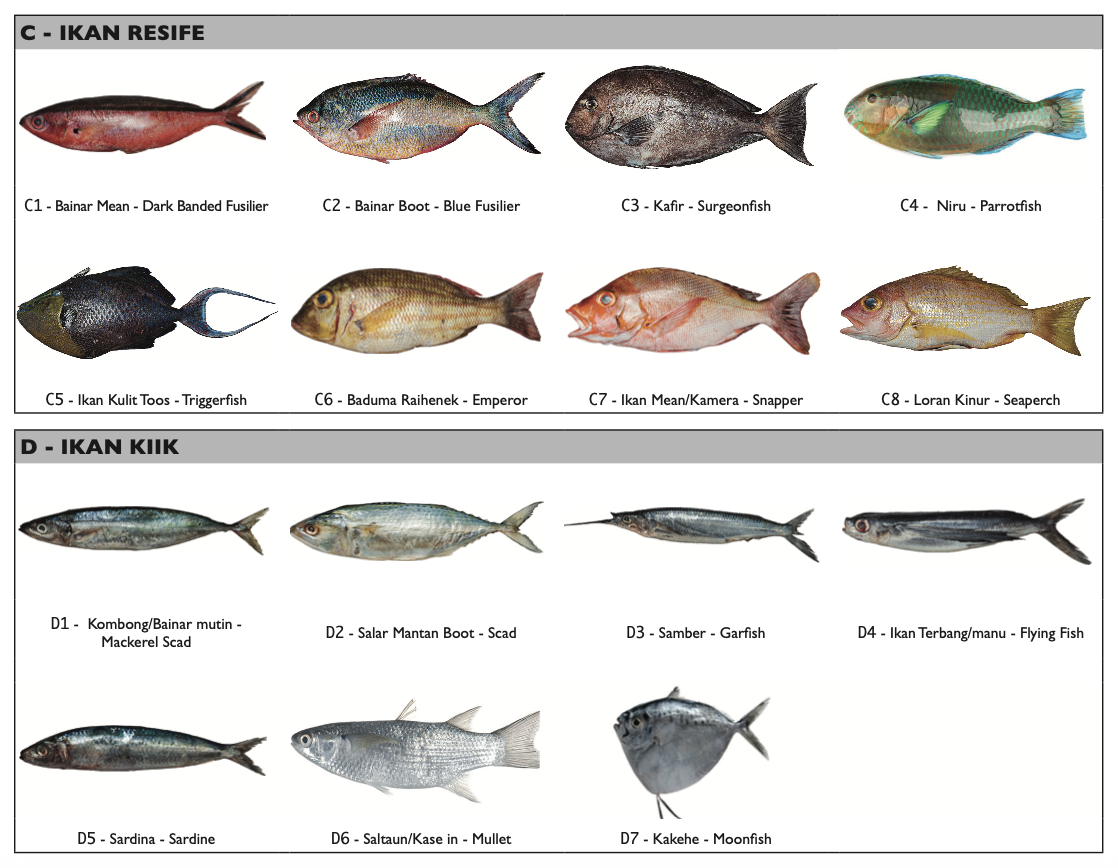
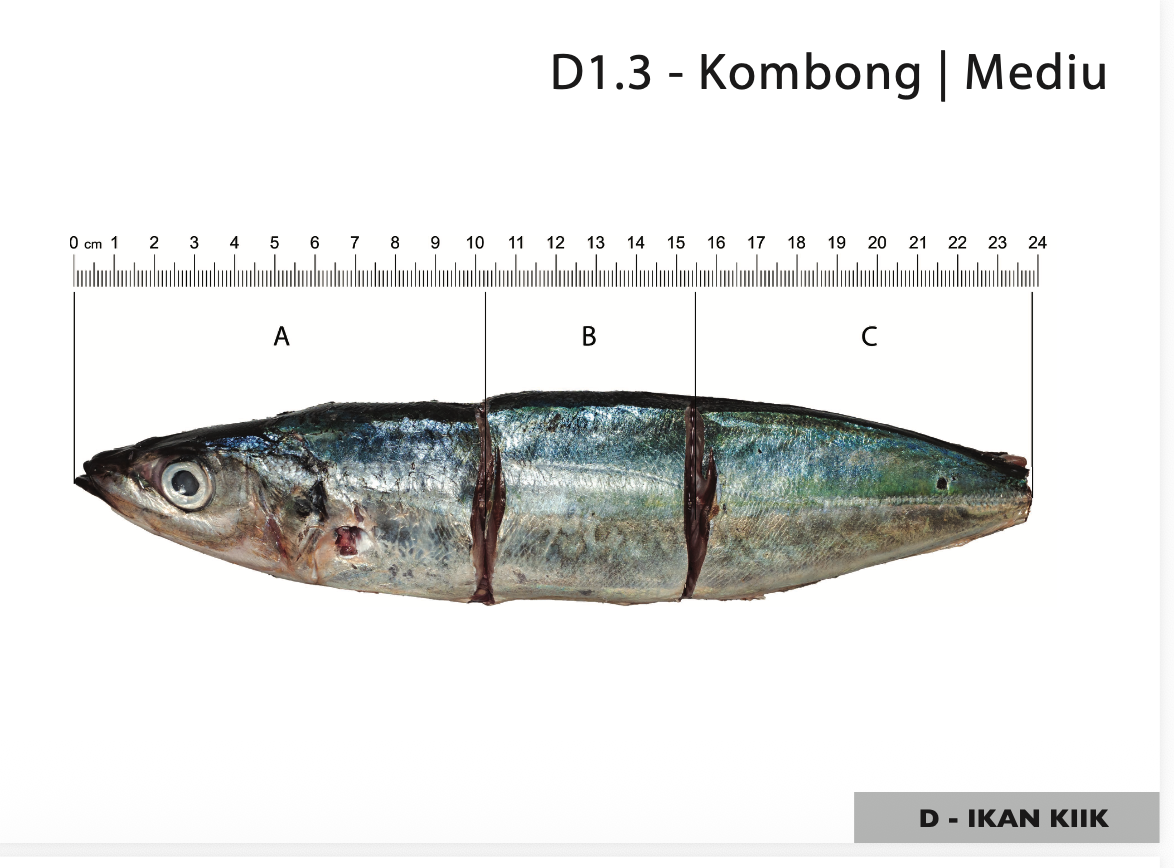
Key to obtaining accurate data from the survey was an innovative methodology using visual aids to accurately estimate consumption of different types of seafood by individuals and households. The approach was developed and tested by WorldFish in partnership with CSIRO during a project funded by the Australian Centre for International Agricultural Research (ACIAR).
This cross-sectoral collaboration began in 2022 and has brought together several Government of Timor-Leste agencies from the fisheries, statistics, health, and rural development sectors.
The survey builds on more than a decade of collaboration between the Government of Timor-Leste and WorldFish to strengthen the fisheries and aquaculture sectors. It represents a significant advance in quality of data on nutrition from aquatic foods, providing critical evidence for the new National Fisheries Strategy 2025 – 2035, which will define sector priorities for the next decade.
The findings of the survey will help government ministries and partners plan interventions that make fish more available, affordable and visible in local markets and institutional meal programs.
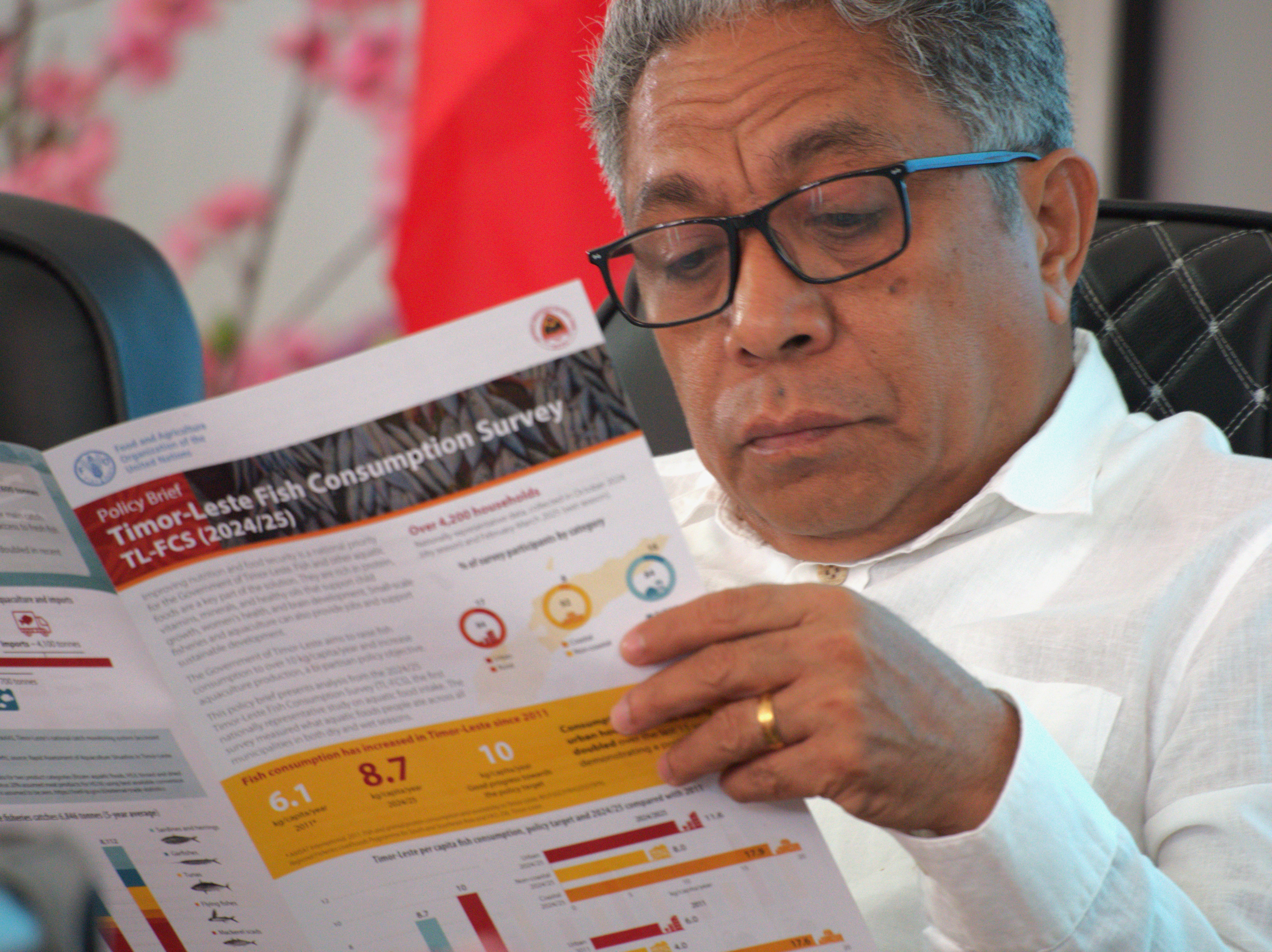
A policy brief summarizing the survey’s key findings Is available HERE
Note to editors:
*The 2024–25 Timor-Leste Fish Consumption Survey is the country’s first nationally representative assessment of aquatic food consumption. Earlier figures, including the 2011 estimate, were derived using different methodologies and are not directly comparable. They are cited here to provide historical context and indicate the direction of change over time.
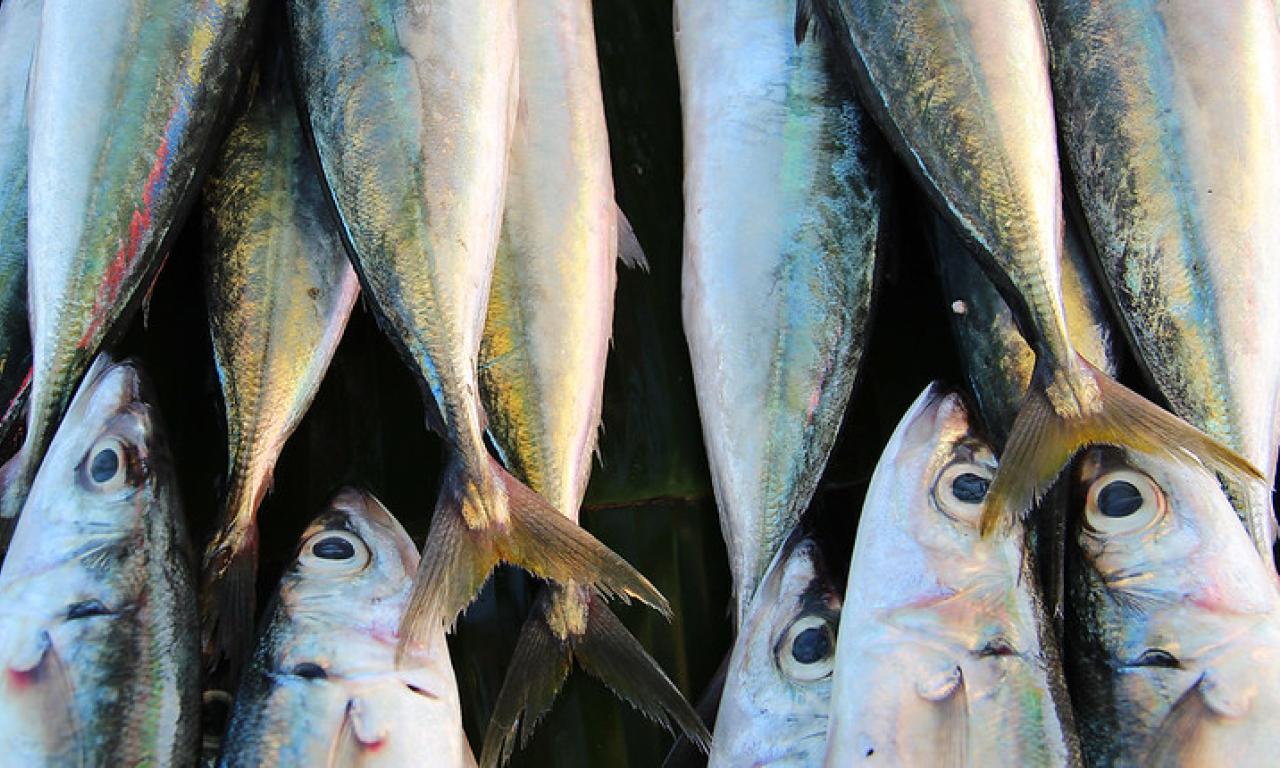
Cover photo: Locally caught fish at a roadside stall in Dili, Timor-Leste. Photo: Holly Holmes.