Harnessing Aquatic Foods for Healthy People, Healthy Planet, and Shared Prosperity

Big Splashes Over Five Years, 2020–2025
Global Impact from WorldFish Research and Innovations
people, including women and children, nourished adequately with aquatic foods integrated in their diets
women and people from other marginalized groups empowered with greater access to resources, markets, and decision-making in the fisheries and aquaculture sector
households increased their incomes through increased sustainable production of aquatic foods
hectares restored through sustainable/ improved management of natural resources
MT of fish, seaweed, and other aquatic foods produced with reduced greenhouse gas emissions and greater resource efficiency
×
WorldFish is deeply saddened to learn the news of the passing of Her Majesty Queen Elizabeth II. We join with the rest of the world in mourning the loss of a great monarch who served with such dignity, warmth and kindness for more than seventy years.
On behalf of WorldFish I extend our profound sympathy and sincere condolences to the Royal Family’.
On behalf of WorldFish I extend our profound sympathy and sincere condolences to the Royal Family’.
The Latest
Stay up-to-date with the latest news and developments in research and innovations across aquatic food systems.
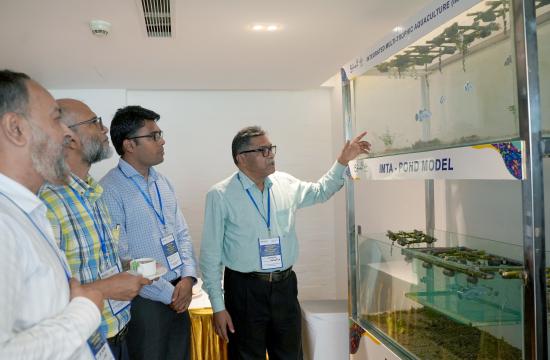
Bangladesh Explores IMTA for Climate-Resilient Aquaculture
Updates
Bangladesh is exploring Integrated Multi-Trophic Aquaculture (IMTA) as a sustainable solution for coastal aquaculture. In 2025, a key workshop in Dhaka, bought together…
Environment & Biodiversity, Climate and Environmental Sustainability • 10 Mar 2026
Read More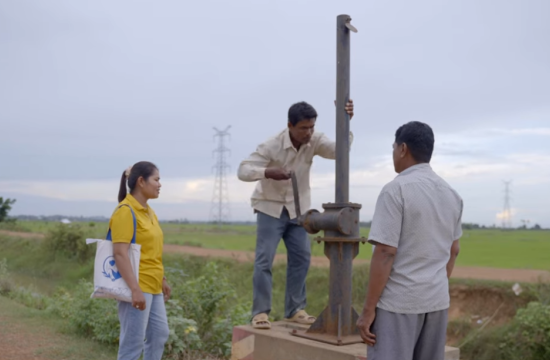
Cambodia Makes Aquatic Foods a Game Changing Priority
Blog
Before sunrise in Santuk District, central Cambodia, Chea Kong is already awake. She walks along the Boeng Ream Community Fish Refuge and the nearby Kakos irrigation…
Gender and Youth, Climate, Livelihoods, Nutrition and Public Health, Climate and Environmental Sustainability, Social and Economic Inclusion • 04 Mar 2026
Read More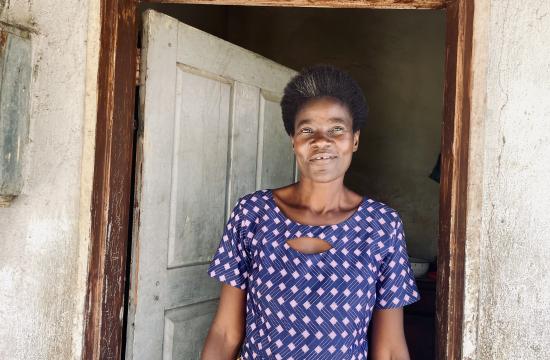
Can a Simple Text Message Help Farmers Protect Their Fish?
Blog
In Zambia, fish farmer Petronella Mumpangwe has seen how quickly things can change. “When it is hot, the ponds dry up,” she says. “When there is no water, the fish die…
Environment & Biodiversity, Climate, Climate and Environmental Sustainability • 02 Mar 2026
Read MoreBig Facts on Aquatic Foods
600
million number of people around the world who depend on small-scale fisheries and aquaculture for their livelihoods.
204
million tons - the volume of aquatic food production by 2030.
60
million - number of people engaged in the primary sector of fisheries and aquaculture in 2018.
24
trillion - the value of the ocean economy, including fisheries, shipping lanes and tourism.