
Surendran Rajaratnam, National University of Malaysia
Fish farming communities in Malaysia are witnessing the effects of climate change, sometimes damaging an entire harvest. A sea cucumber farmer in the state of Sabah shared:
“If the wind is strong, it can cause our cages to collapse—but it isn't just the waves we worry about. Sometimes, extreme heat is even worse; if the weather stays hot for a few weeks, the sea cucumbers will be affected…its skin peels off. We’ve even had situations where the waves wiped out the entire community's cages ... there wasn't a single sea cucumber left inside. We don’t know where it all went. ”
With few alternative sources of income, these vulnerabilities are driving people from coastal communities, especially the youth, to seek the safer havens of urban areas in their quest for sustainable livelihoods.
The Climate-adaptive, Inclusive, Nature-based Aquaculture (CAINA) project is working with communities to explore how aquatic food systems can be made more climate-resilient, nature-positive and able to provide nutritious food and sufficient incomes. Supported by the International Development Research Centre (IDRC) and the Government of Canada through the AQUADAPT program, CAINA aims to identify and support such solutions for the Asia-Pacific region.
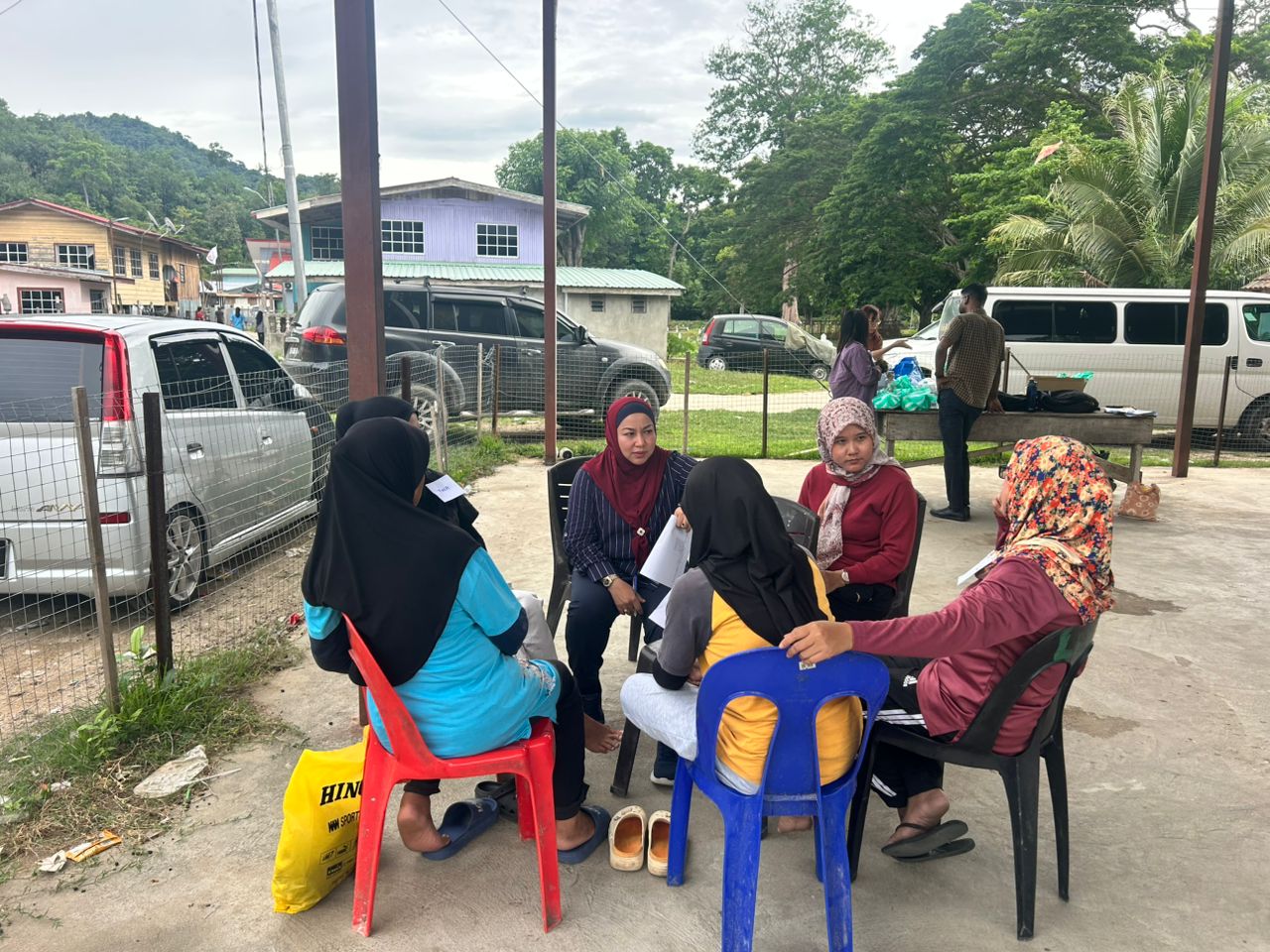
Ensuring that climate adaptive and nature positive aquaculture is also inclusive and people-positive is at the core of the CAINA project. A series of collaborative workshops and meetings developed a Gender Equality and Social Inclusion or GESI Action Plan to guide CAINA’s implementing partners in their research and site-specific studies.
The GESI workshops, organized by the Universiti Kebangsaan Malaysia and Stockholm Environment Institute (SEI)’s I4E (another AQUADAPT project) during several AQUADAPT events, provided a platform for sharing ways of doing research and working with farmers that are inclusive. Partners who are predominantly from the fisheries and aquaculture sciences benefit by understanding how the climate-smart and nature-based solutions they are developing can include and benefit all members of society, particularly those who may have been excluded or marginalized, such as women, Indigenous Peoples, youth and lower-income groups.
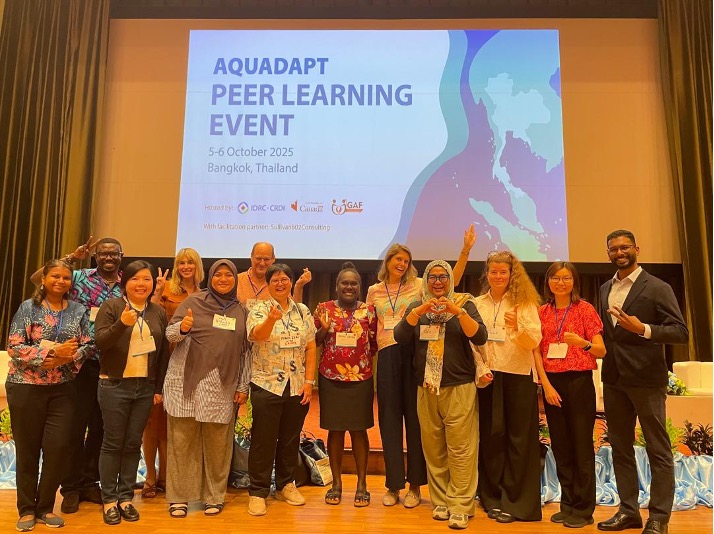
The outcomes from these workshops aim to change researchers’ approach in working with communities, so it is inclusive and responsive to diverse needs of people while also cascading down capacities across partners on GESI.
“I learned a lot in terms of social approach in doing GESI research, such as probing technique as well as carefully considering every aspect and element in applying GESI concepts,” said one of the fisheries science researchers.
In 2026, CAINA will apply GESI approaches to engage diverse stakeholders including community representatives, NGOs, and government agencies to enhance our understanding of challenges coastal communities face and how to be able to influence change inclusively.
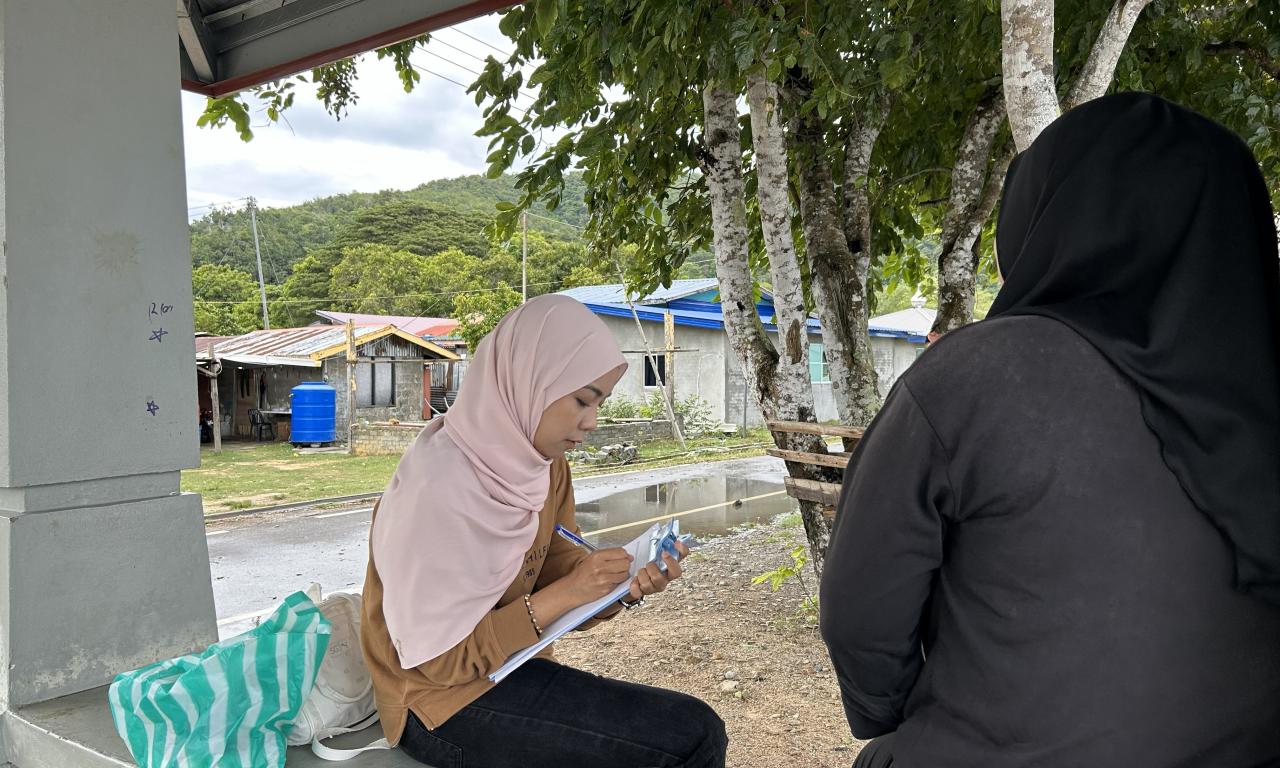
Cover photo: Interview with a participant of the CAINA project in Sabah, Malaysia. Photo: Surendran Rajaratnam, National University of Malaysia.
Acknowledgements
The information presented in this blog post is based on a study conducted in late 2025 by a research team comprising Tina Yap Li Yan, Fauziah Ibrahim, Mohd Suhaimi Mohamad, Noorashikin Md Noor, Velan Kunjuraman, Nur Syuhada Iskandar, Julian Ransangan, Wahidatul Husna Zuldin, and Teoh Shwu Jiau. The valuable contributions of the team provided the insights needed for this content.