Harnessing Aquatic Foods for Healthy People, Healthy Planet, and Shared Prosperity

Big Splashes Over Five Years, 2020–2025
Global Impact from WorldFish Research and Innovations
people, including women and children, nourished adequately with aquatic foods integrated in their diets
women and people from other marginalized groups empowered with greater access to resources, markets, and decision-making in the fisheries and aquaculture sector
households increased their incomes through increased sustainable production of aquatic foods
hectares restored through sustainable/ improved management of natural resources
MT of fish, seaweed, and other aquatic foods produced with reduced greenhouse gas emissions and greater resource efficiency
×
WorldFish is deeply saddened to learn the news of the passing of Her Majesty Queen Elizabeth II. We join with the rest of the world in mourning the loss of a great monarch who served with such dignity, warmth and kindness for more than seventy years.
On behalf of WorldFish I extend our profound sympathy and sincere condolences to the Royal Family’.
On behalf of WorldFish I extend our profound sympathy and sincere condolences to the Royal Family’.
The Latest
Stay up-to-date with the latest news and developments in research and innovations across aquatic food systems.
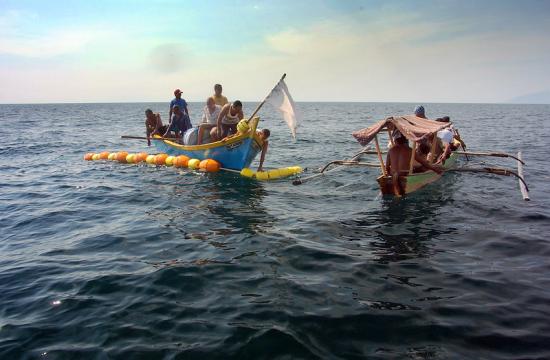
How Fishers Fish Shapes the Nutrients in their Catch
Blog
Fisheries management usually focuses on how much can be caught sustainably. But in Timor-Leste, where nearly half of children under five are stunted and anemia is common…
Nutrition, Nutrition and Public Health • 10 Apr 2026
Read More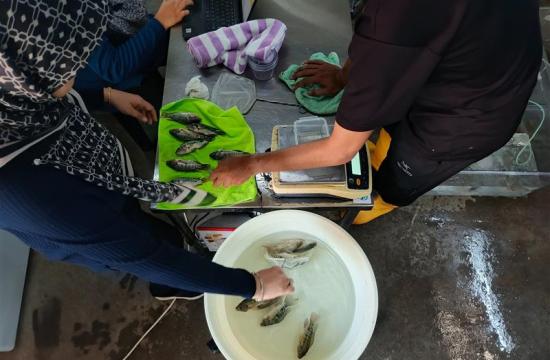
Testing Local Ingredients for Better Fish Feed in Africa
Blog
Feed is the single biggest cost in fish farming, often accounting for 40 to 70 percent of total production expenses. Across African countries where aquaculture is…
Environment & Biodiversity, Livelihoods, Social and Economic Inclusion • 07 Apr 2026
Read More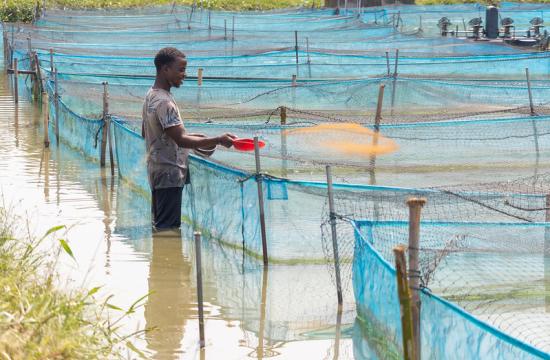
FASA Project Shifts Toward Scalable Digital Solution in Final Phase
Updates
A new digital feed formulation tool is at the center of the Development and Scaling of Sustainable Feeds for Resilient Aquatic Food Systems in Sub-Saharan Africa (FASA)…
Nutrition and Public Health, Climate and Environmental Sustainability, Social and Economic Inclusion • 26 Mar 2026
Read MoreBig Facts on Aquatic Foods
600
million number of people around the world who depend on small-scale fisheries and aquaculture for their livelihoods.
204
million tons - the volume of aquatic food production by 2030.
60
million - number of people engaged in the primary sector of fisheries and aquaculture in 2018.
24
trillion - the value of the ocean economy, including fisheries, shipping lanes and tourism.